
Workshops &
Facilitated Conversations
Interactive workshops exploring masculinity, work, responsibility, and social perception
Workshops expand on the themes explored in Shawndel N. Fraser’s talks through guided reflection, conversation, and creative exercises. Designed for universities, cultural institutions, community organizations, and professional groups, these sessions invite participants to explore how identity, responsibility, work, and relationships are shaped by social conditions and lived experience.
Shawndel’s work has been presented in university, cultural, and public dialogue settings and is designed to foster thoughtful conversation across disciplines and communities.
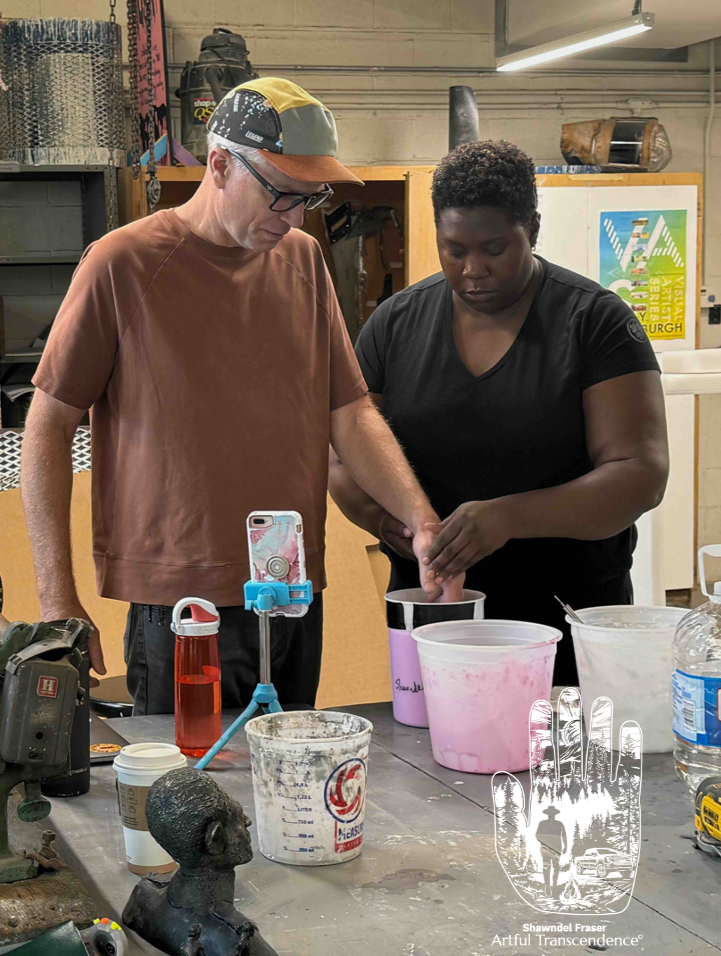
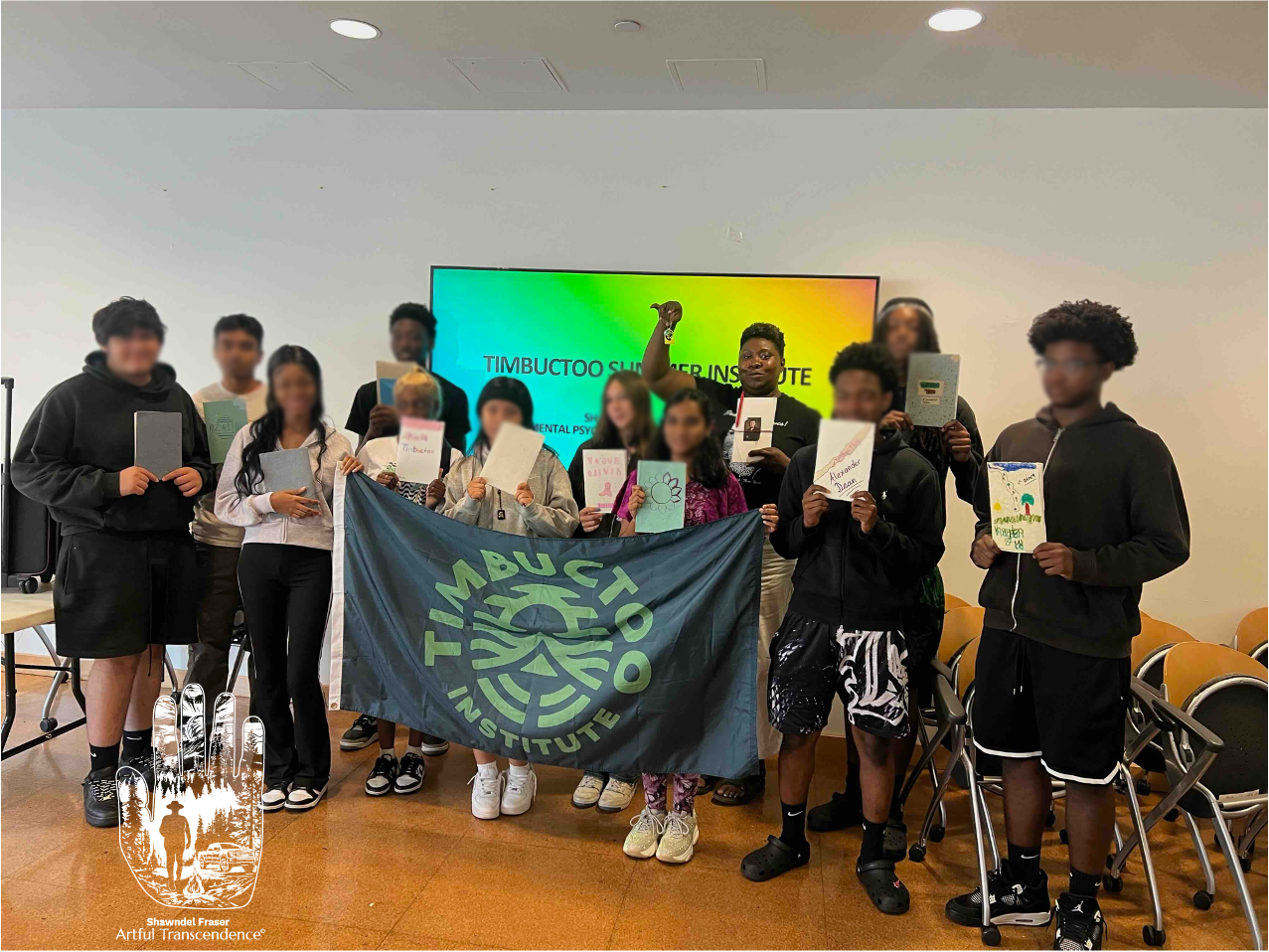
Workshops emphasize curiosity, observation, and respectful dialogue rather than debate or ideological positioning. Participants engage with ideas through writing, conversation, and optional creative exercises such as traditional bookbinding.
Workshop Formats
-
A presentation introducing key ideas from Shawndel’s research and field observations.
-
A presentation followed by guided writing, small-group discussion, and facilitated conversation exploring the themes introduced in the talk.
Participants engage guided writing prompts followed by facilitated dialogue exploring themes such as social norms and conditioning, responsibility, belonging, identity, and relationships. Writing exercises encourage participants to articulate personal experiences and perspectives before entering group dialogue.
-
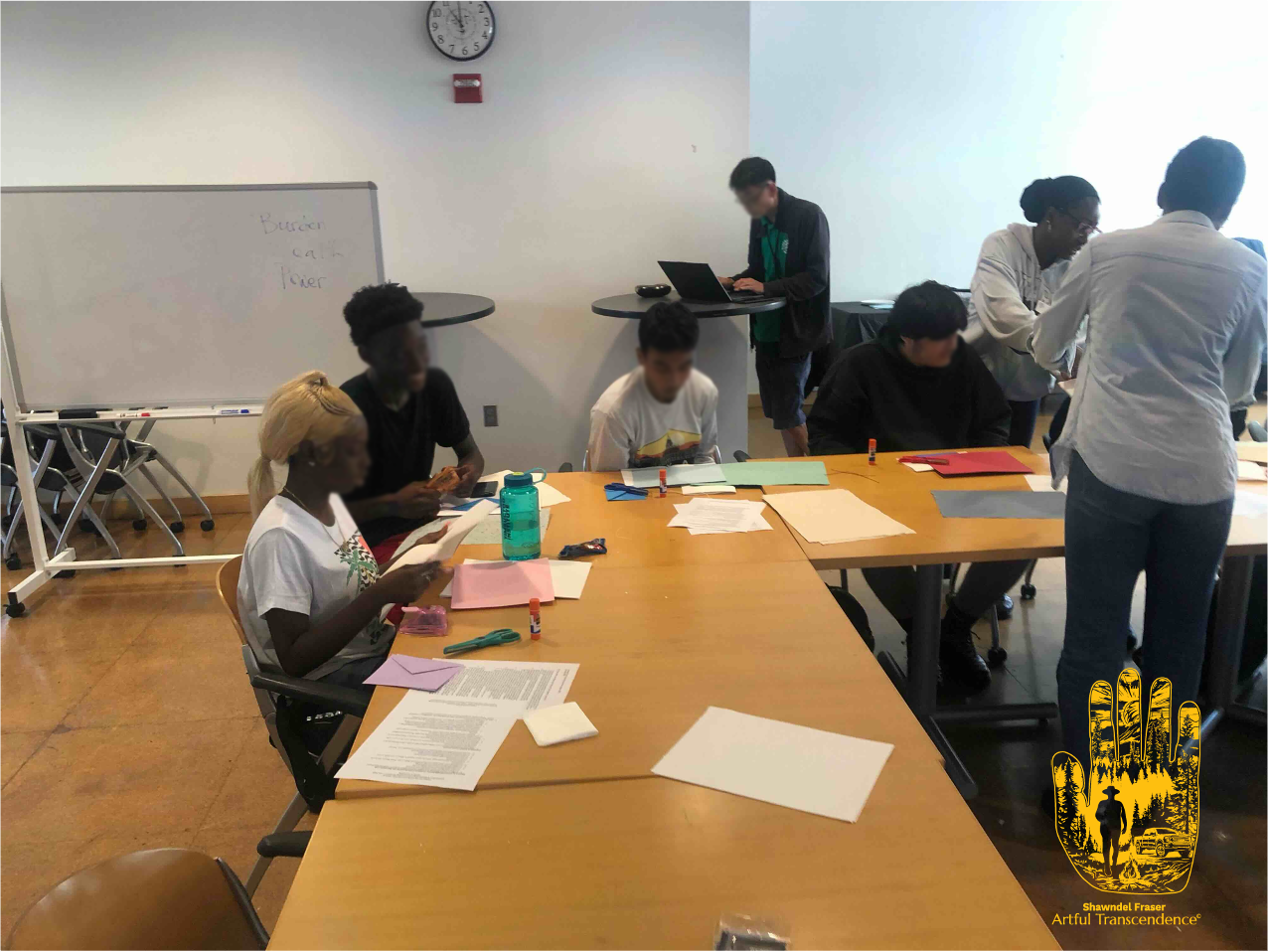
Participants create simple hand-bound journals while exploring questions of identity, memory, and responsibility through writing and conversation. The tactile process of making something by hand serves as a grounding activity that supports deeper reflection and dialogue.
Programs can be adapted for universities, community groups, professional organizations, unions, and public events.
Talks and workshops can be presented as standalone programs or combined for conferences, campus visits, or multi-session events.
Programs are typically offered in one of three formats. *Some topics and groups are better suited to particular formats.
Contact Shawndel to discuss your group or organizational goals, participants, and needs.
Workshop Topic Offerings
-
A Reflective Dialogue Workshop
A guided workshop exploring how cultural narratives influence the ways we interpret men’s actions, intentions, and emotional lives. Participants examine how projection can shape misunderstanding and consider alternative ways of perceiving and engaging men in families, communities, and workplaces.
The workshop begins with a short talk introducing key ideas from Shawndel N. Fraser’s fieldwork and research on masculinity, work, and social perception. Participants then engage in guided writing, small-group conversation, and facilitated dialogue exploring how perception shapes social dynamics and relationships.
Format:
45–60 minute talk or 90–120 minute talk + workshop -
This workshop explores how usefulness, skilled labor, and contribution shape identity and belonging. Drawing on observations from the Hands That Nurture project, participants reflect on how work functions as both a language and a practice of care, responsibility, and devotion.
The conversation invites participants to consider how usefulness, contribution, and responsibility shape dignity in working life.
-
A conversation about how masculine character, integrity, and resilience develop through responsibility, discipline, and lived experience. Participants explore how apprenticeship, skill-building, and the natural experience of intermittent failure contribute to maturity and moral development.
Ideal Audience
Programs can be adapted for different audiences and contexts, from academic settings to community and labor organizations.
These workshops are well suited for:
High schools and universities, including gender studies, humanities, counseling, psychology, art, and vocational or trade programs
Fine craft and trade schools
Arts and cultural organizations
Community groups and civic institutions
Conferences exploring culture, work, trades, or social change
Organizations interested in constructive dialogue around masculinity and relationships
If your group is not listed, contact Shawndel to discuss possibilities.