Projects
Hands That Nurture: Perceptions of Masculine Devotion
In the trades and fine craft, the work is real and tangible. It affects lives. I produces objects and results.
A structure either holds or it doesn’t.
A joint either fits or it fails.
A vessel cracks, a weld breaks, a form collapses—or it endures for generations.
Care, attention to detail, and skillful action cannot be faked.
And because of that, something becomes visible in craftsmen and tradesmen that is often missed elsewhere:
Devotion.
Not as an idea—
nor as ritual or performance—
but as a sustained commitment to learning, refinement, and integrity, upheld without audience or fanfare.
I am interested in men whose care and devotion is so consistent, so embedded in how they move through the world, that it becomes invisible—even to themselves.
Men who:
return to the work day after day
refine their skill without recognition
carry responsibility through their hands, their attention, and their standards
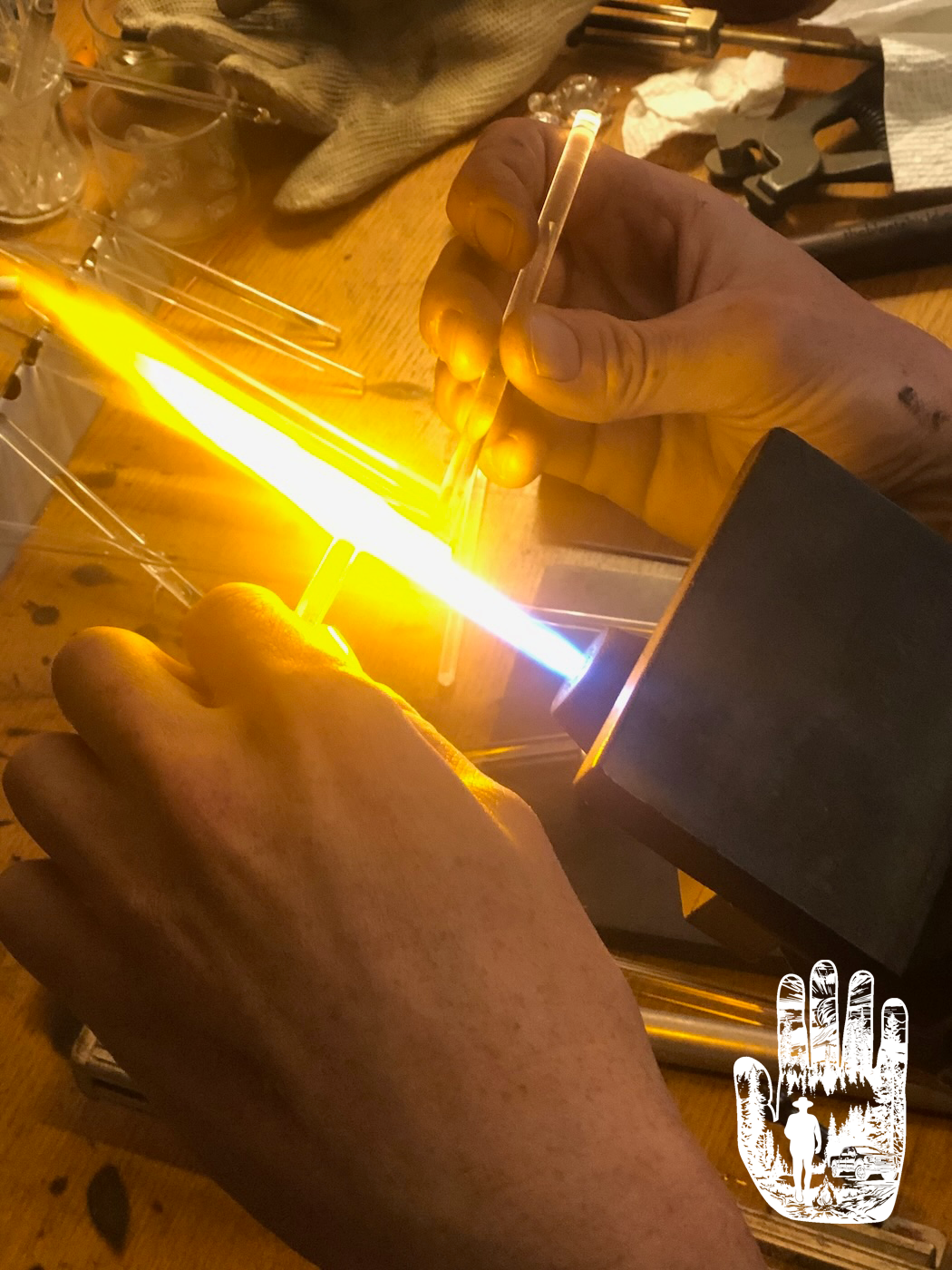
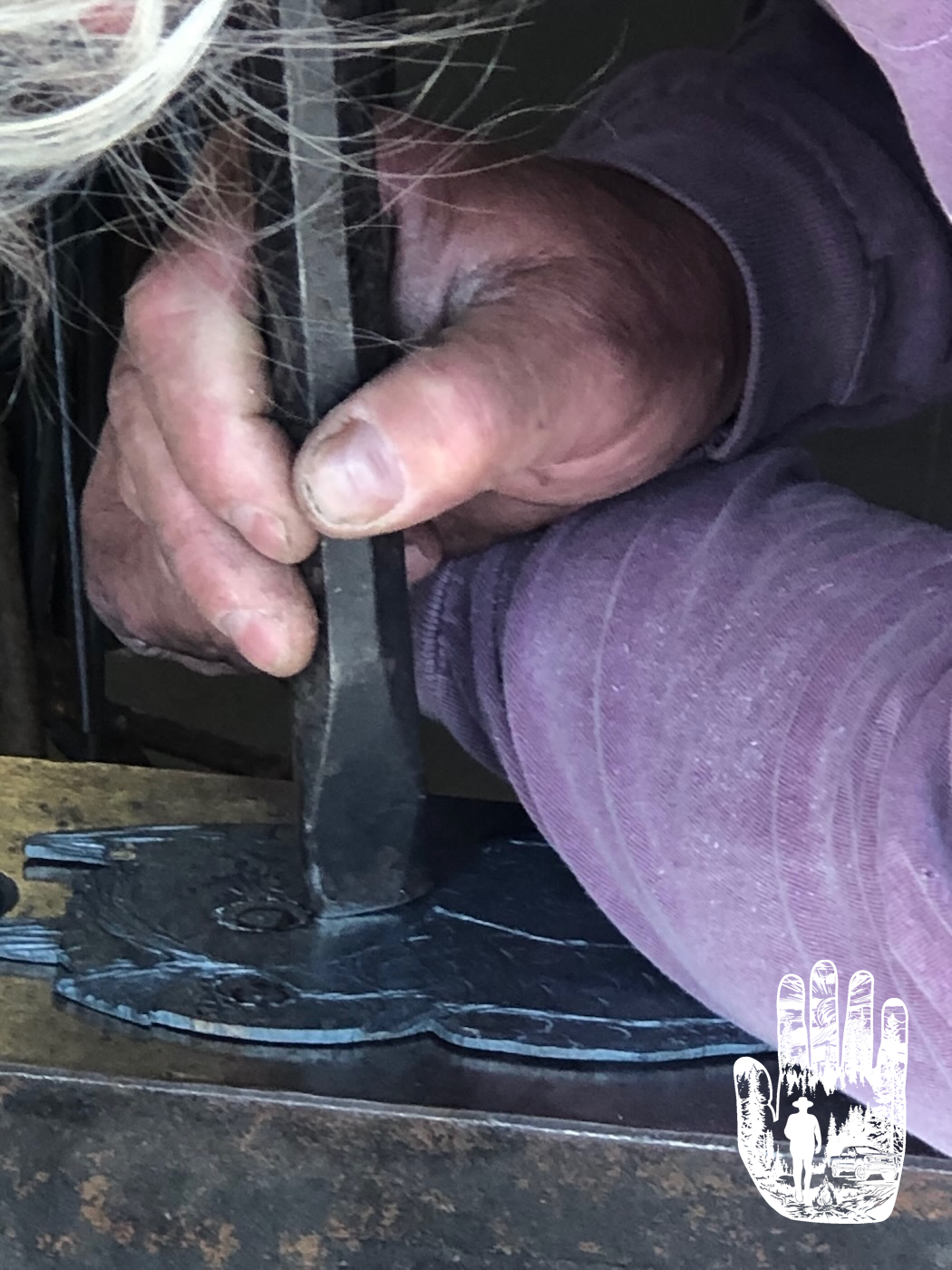
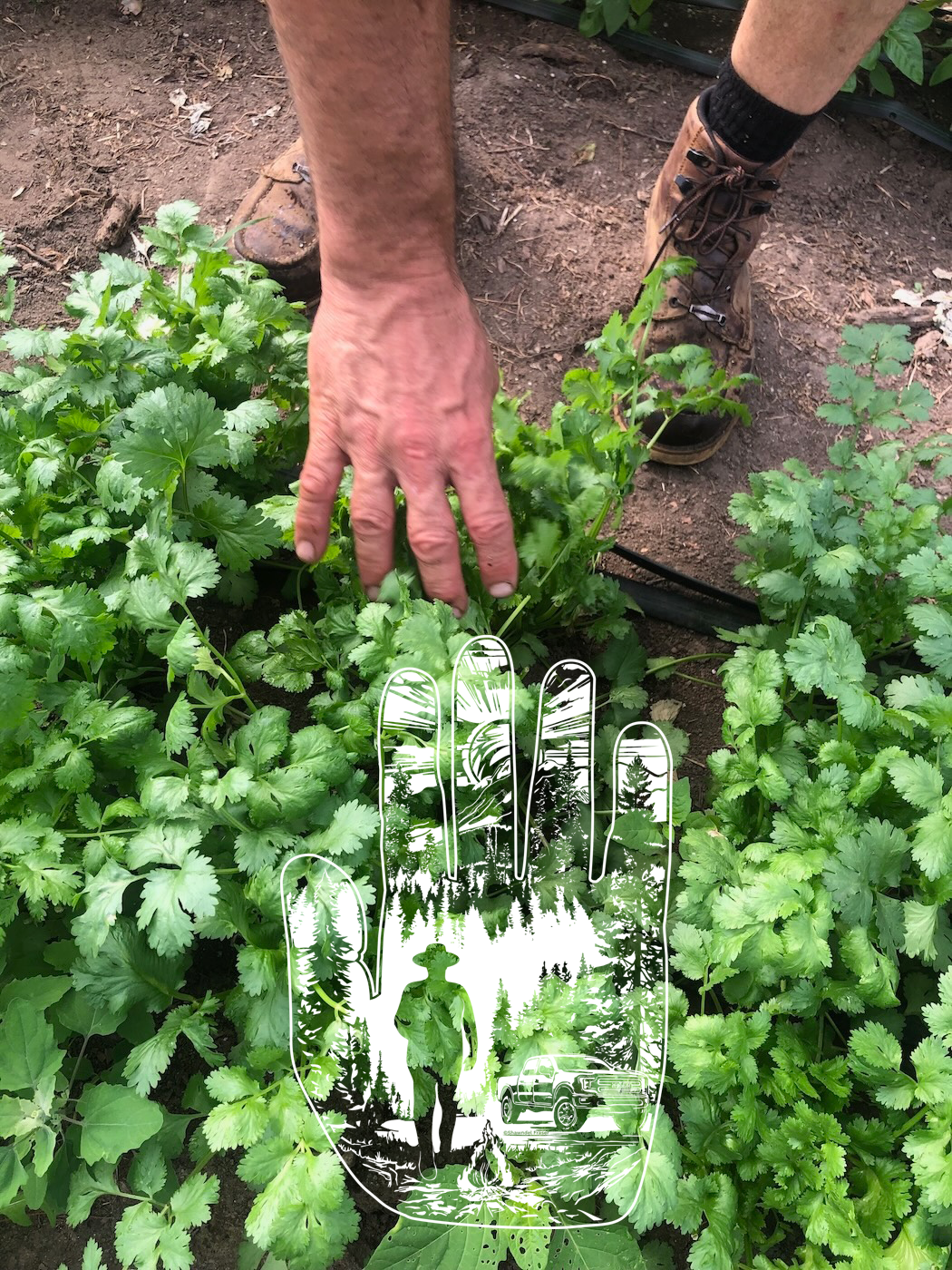
Across farmers, blacksmiths, boatbuilders, carpenters, electricians, plumbers, masons, woodworkers, roadside arborists, and countless other makers and doers, the same truth emerges:
Where language is often minimal, the hand tells the truth.
It is there that we can see who a man is at his core—in the work of his hands.
This is where the project begins.
What is this project?
Hands That Nurture: Perceptions of Masculine Devotion is an embodied, long-term exploration of masculine devotion, skilled labor, and relational repair.
Hands That Nurture is an ongoing interdisciplinary project examining how devotion, care, and moral responsibility are embodied through the skilled hands of men engaged in physical labor. The project centers craftsmen, tradesmen, farmers, and rural workers whose daily practices quietly sustain families, communities, and landscapes—often without recognition or language for the care they enact.
Rather than approaching masculinity through ideology or abstraction, Hands That Nurture works at the level of gesture, touch, and practice. The project asks: What does devotion look like when it is enacted through hands? What forms of care are expressed through labor long before they are named as care? Craftsmen can sign-up here.
Method & Process
Each iteration of Hands That Nurture begins with time spent in relationship. Participants are met in their work environments—farms, workshops, construction sites, studios—where extended observation, conversation, and shared presence establish trust. Only after familiarity is established are hands documented through photography, sculptural casting, and written field notes.
Hand casts are created using direct molding techniques that preserve fine anatomical detail, including posture, calluses, scars, and the subtle tension of working hands. The resulting sculptures are paired with photographic and narrative documentation of the same hands in use, situating each cast within the living context of labor rather than isolating it as form alone.
Care is built into the process. After casting, participants’ hands are cleaned, treated, and tended as standard aftercare—an intentional reversal of extractive documentation practices and a quiet acknowledgment of the body as a site of value.
Impact & Significance
Hands That Nurture creates space for men—particularly those shaped by rural, working-class, or traditionally masculine environments—to be seen outside of caricature or political framing. Participants frequently report that the project offers their first opportunity to reflect on their labor as meaningful beyond productivity or income.
For audiences, the work reframes masculinity not as dominance or withdrawal, but as attentiveness, skill, restraint, and responsibility. By focusing on hands rather than faces, the project invites viewers to encounter masculinity through action and care rather than identity performance.
The project has been exhibited and developed through residencies, academic settings, and community-based contexts, where it functions as both artwork and conversation catalyst—opening dialogue across generational, cultural, and ideological difference without requiring consensus or confession.
Why This Work Matters
At a time when public discourse around men often centers on crisis, blame, or abstraction, Hands That Nurture returns attention to what is already present but rarely named: the quiet forms of devotion enacted daily through work, skill, and responsibility.
By making these forms visible, the project contributes to cultural repair—not by instructing men who to be, but by recognizing who they already are when care is practiced without spectacle.
Why Now?
Skilled trades are among the fastest-growing and most in-demand fields in the United States, yet the sociocultural infrastructure supporting tradespeople — the narratives and stories, the recognition, the educational pathways that draw young people toward this work — has not kept pace with the need to support regional communities and the broader economy.
Hands That Nurture works at this intersection. By centering the lives and labor of craftsmen, farmers, and skilled workers, the project builds cultural visibility for livelihoods that form the working backbone of communities — and that are essential to their long-term resilience. It creates pathways for public engagement with trades work at a moment when reskilling, apprenticeship, and hands-on learning are returning to the center of economic conversation.
The project's field-based approach means that this visibility is not imposed from the outside — it emerges from sustained relationship, shared time, and the trust built through genuine interest in the people doing this work. That trust is itself a model: one that demonstrates how arts practice can function as a bridge between culture, labor, and community economic life.
See art created for the project
-
Hands That Nurture is an ongoing sculptural and research-based inquiry into masculinity, labor, and care. The project centers on the hands of men who work with skill, discipline, and responsibility—farmers, blacksmiths, boatbuilders, carpenters, and other tradespeople whose daily labor sustains families, communities, and landscapes.
Through sculptural hand casts, photographic and video studies, and public conversation, the work examines how devotion is expressed through everyday acts of making and maintenance. These gestures often stand in quiet contrast to cultural narratives that equate masculinity with hardness, emotional distance, or domination. At a moment when skilled trades are among the most in-demand and undersupported fields in education, training, and the national economy, the project also serves as a site of cultural visibility for the workers and forms of knowledge that sustain communities and regional life.
The project is grounded in long-term relational practice. Participants are not asked to perform, explain, or narrate their work in predetermined ways. Instead, meaning emerges through time, presence, and attentive observation. When invited—without demand—to reflect on their experience, participating men often articulate insights that resonate deeply with broad audiences.
Hands That Nurture invites viewers to reconsider how care is embodied in work, how tenderness moves through strength, and how masculine devotion can be witnessed without romanticization or critique. Public presentations of the project have brought non-traditional audiences into gallery and civic spaces, including tradespeople, families, and community members who recognize their own lived realities in the work.
-
This project is rooted in sustained fieldwork and relationship-building with tradespeople over time. It asks what we miss when masculinity is interpreted only through ideology, projection, or pathology—and what becomes visible when care is witnessed through work, craft, and everyday responsibility. The work holds both admiration and complexity, and it is intentionally paced: meaning is allowed to emerge through time rather than being essentialized from a single session.
Hands That Nurture is developed through site-responsive iterations, which may include programming, witnessing, and exhibition formats shaped in dialogue with local contexts. For inquiries about hosting or collaborating on a site-specific iteration of this project, please get in touch.
-
Item descriptionHands That Nurture is a long-term art and research project by Shawndel N. Fraser documenting the skill, discipline, and quiet devotion found in the hands of working men.
I am particularly interested in men who see their craft not just as work, but as a responsibility to make things that last and to do things well.
If this describes you—or someone you admire—I would be glad to hear from you. FILL OUT INTEREST FORM