
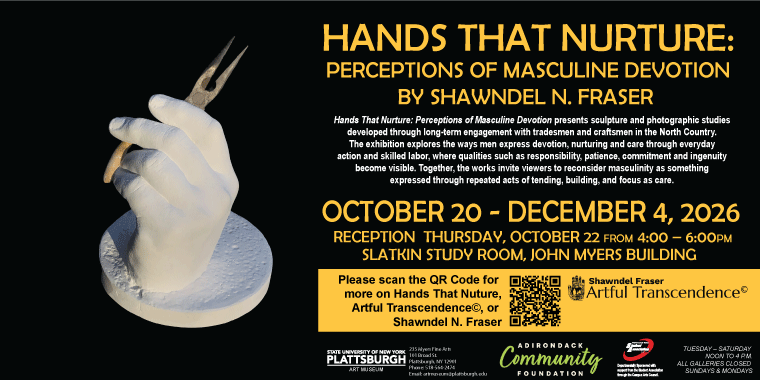
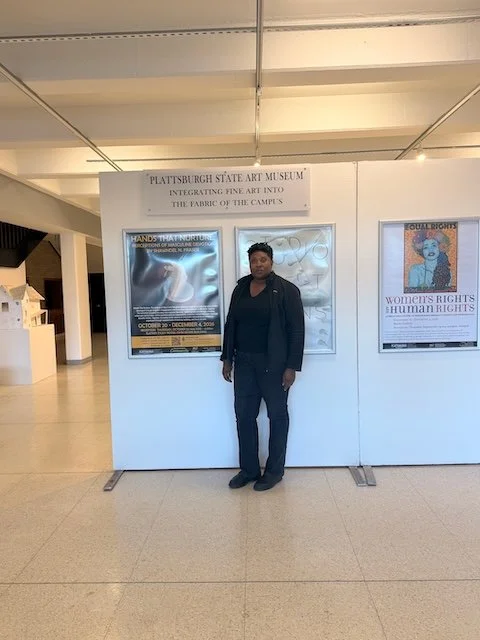
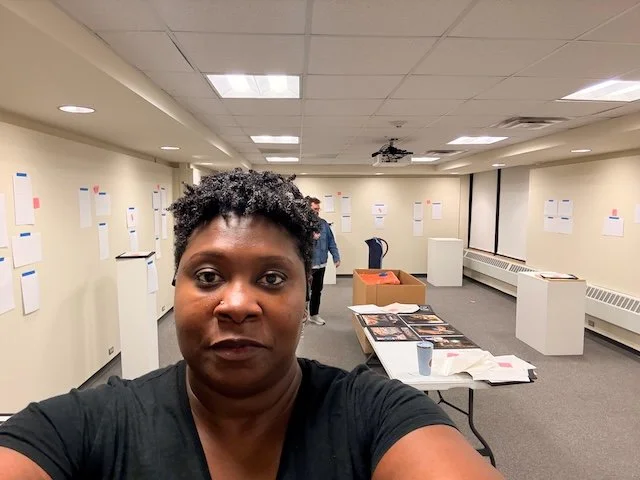
I am so excited to present the Hands That Nurture exhibition at SUNY Plattsburgh. It opens today, October 20th and will be on view until December 4th. The artist reception will be on October 22nd, from 4 to 6 p.m. The show is located in the Myers Fine Arts Building, in the Slatkin Gallery. The artist talk will run approximately from 4:45 until 5:15 p.m., to give visitors the opportunity to look at the exhibition and listen to the audio tour and some of the show soundtrack, both of which are also available offsite.
The timing of this exhibition serendipitously aligns with the 167th anniversary of John Brown and the Raiders’ attack on the Harpers Ferry Armory, and runs through the period when John Brown and some of the Raiders were imprisoned at Charles Town, Virginia. I mention this because their moral courage is at the root of my Hands That Nurture project and exhibition.
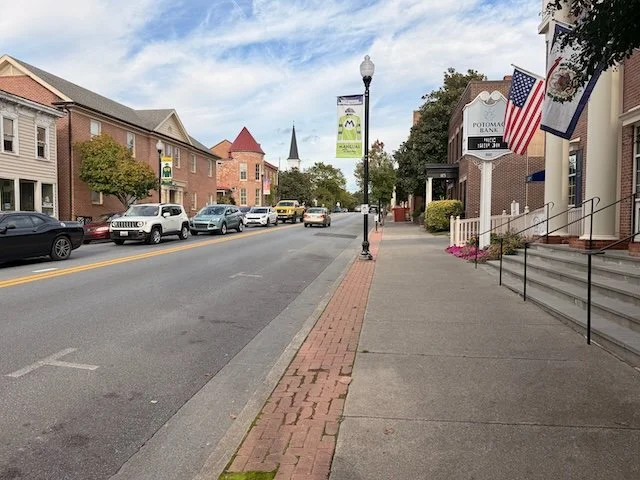
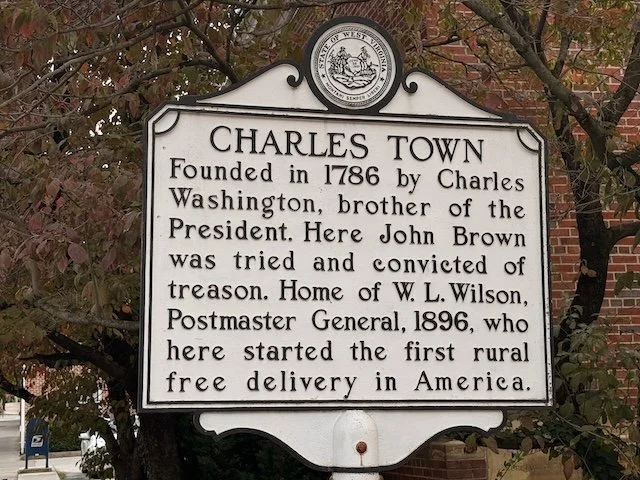
I recently undertook a road trip from New York City to Harpers Ferry in West Virginia, and stayed in Charles Town, as a continuation of my pilgrimage tracing John Brown’s significant stops around our beautiful country. This was my first visit to Harpers Ferry, though the Blue Ridge Mountains were already meaningful to me before I had learned of John Brown and the Raiders and their significance to America. This proved to be a wonderful opportunity to return to those beautiful mountains, and to take in the Blue Ridge and Appalachian foothills after making a few stops at the significant John Brown related sites around town.
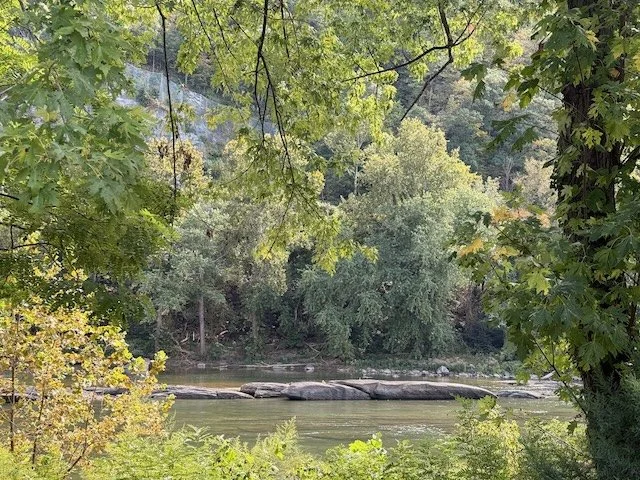
I visited Harpers Ferry itself, specifically “Lower Town,” walked along the historic train tracks, dipped my hands in the Shenandoah just a few feet from where it mingled with the waters of the Potomac, and took in the spectacular view where the two rivers meet. Thomas Jefferson wrote about this juncture in Notes on the State of Virginia, where the water flows between cliffs on both sides, as “one of the most stupendous scenes in Nature,” so magnificent that it was “worth a voyage across the Atlantic.” I can tell you today, even surrounded by my beloved gorgeous Adirondack mountains, he did not exaggerate.
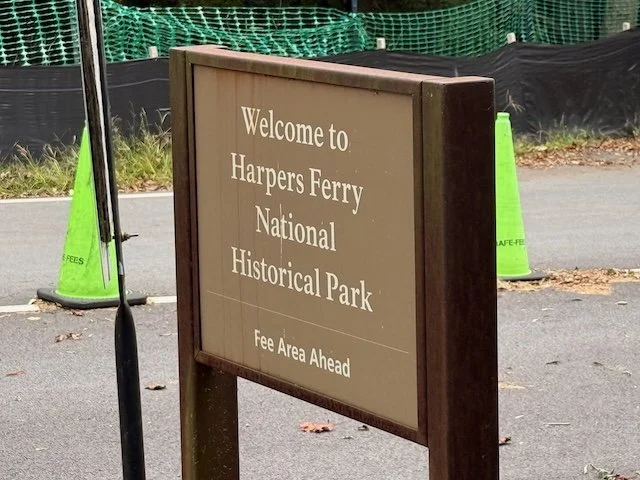
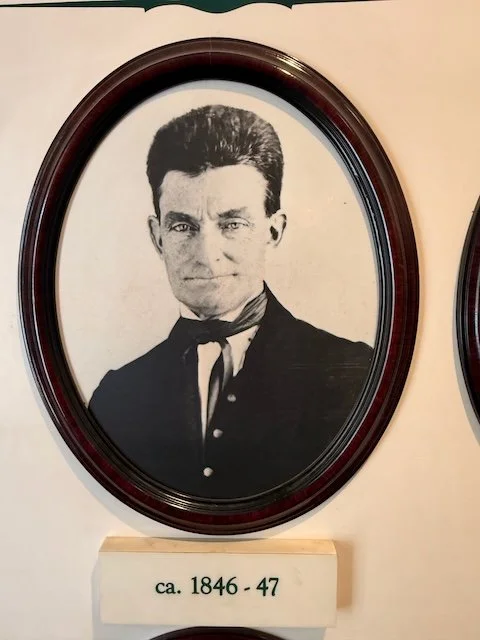
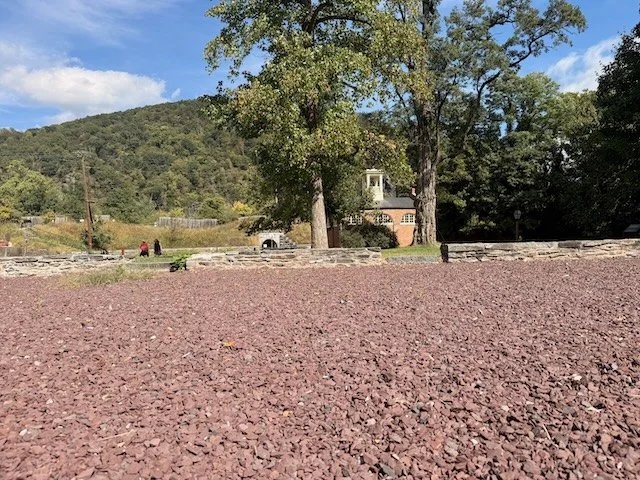
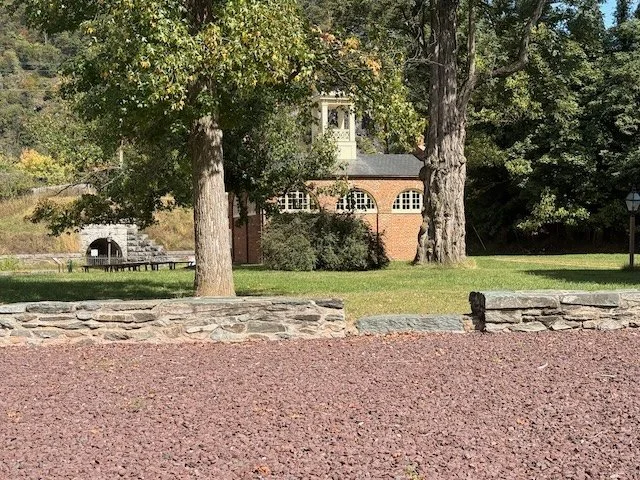
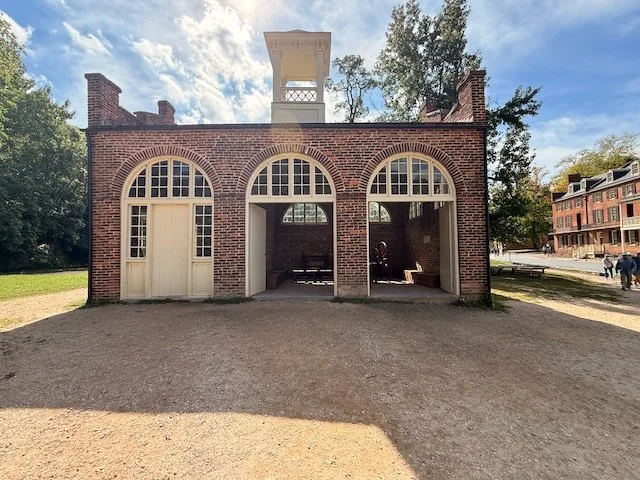
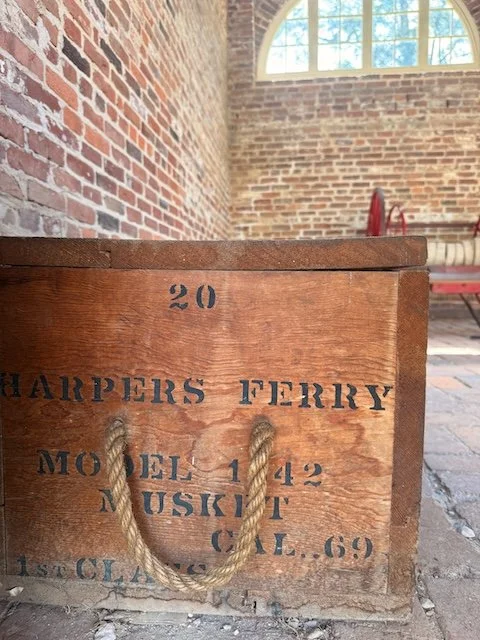
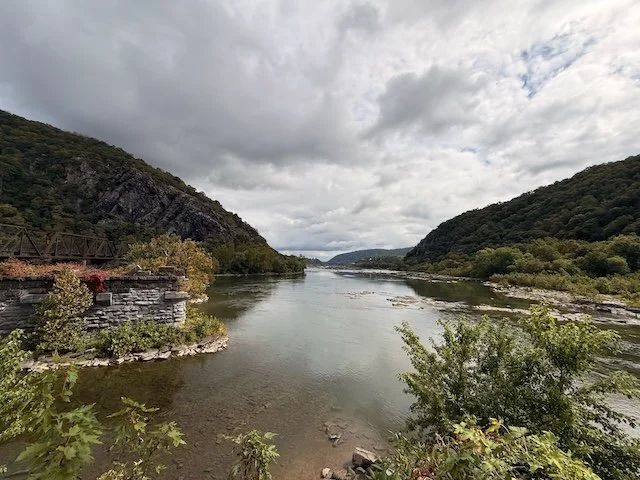
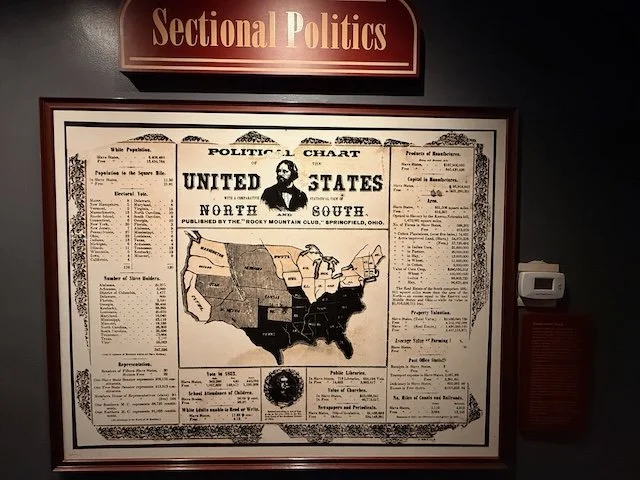

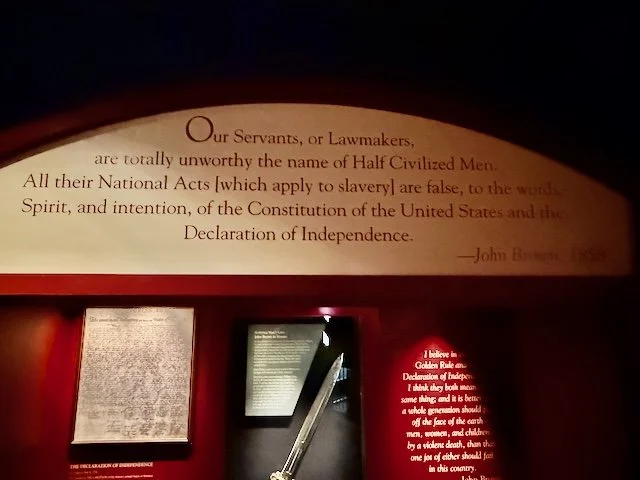
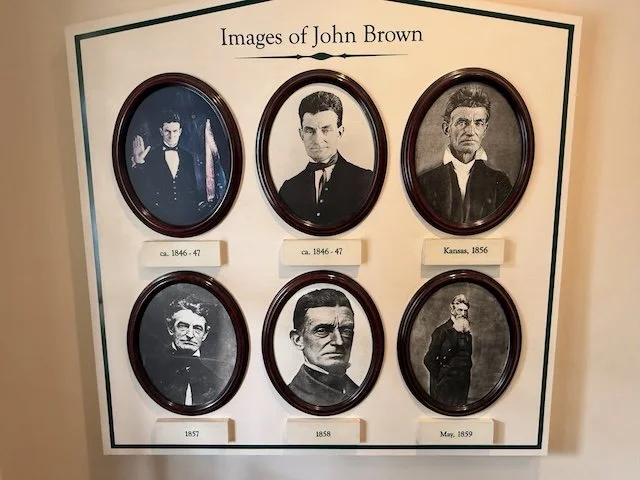
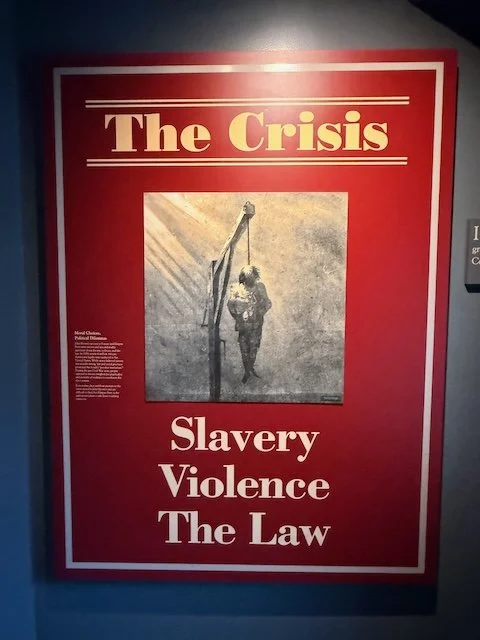
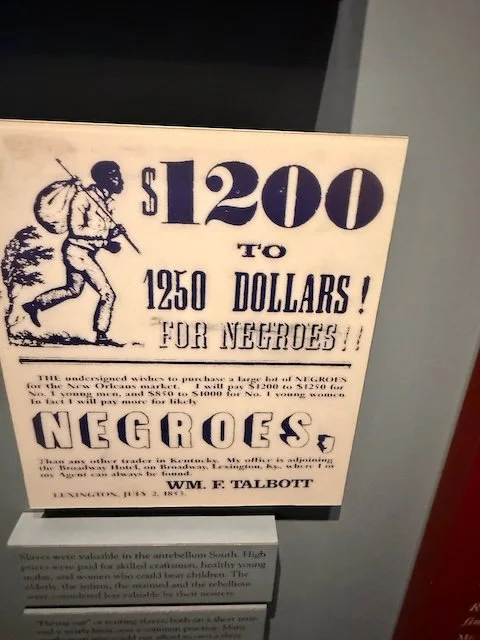
While at Harpers Ferry, I toured the town and the many museum exhibits, including the John Brown Museum. Afterwards, I sat on the lower walls of the Armory and reflected on the events that transpired there so long ago. Apart from the engine house, the only thing remaining of the original armory, which was burned by Union troops on April 18th, 1861, just six days into the Civil War, is the perimeter of the lower portion of the original stone wall, filled in with reddish gravel.
After the armory, I visited John Brown’s Fort, the former armory engine house, which was saved by Kate Field, who raised $2,000 to return the dismantled building from Chicago, where it had been shown at the World’s Columbian Exposition, and rebuilt it in 1895. After Harpers Ferry, I visited the former site of the Jefferson County Jail in Charles Town, now a U.S. Post Office, where some of the Raiders were imprisoned until they were executed. John Brown was executed on December 2, 1859.
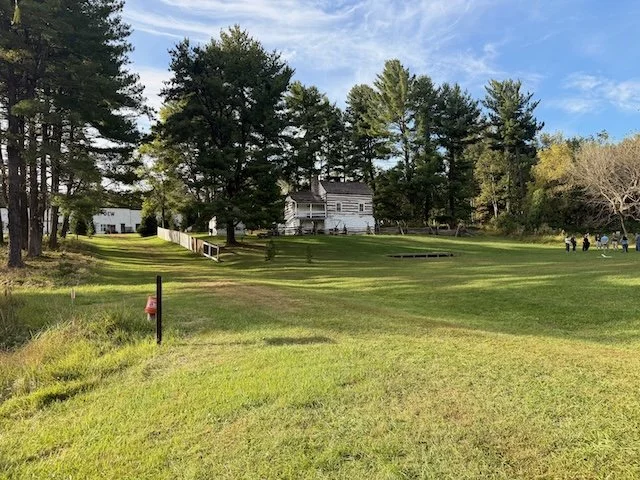
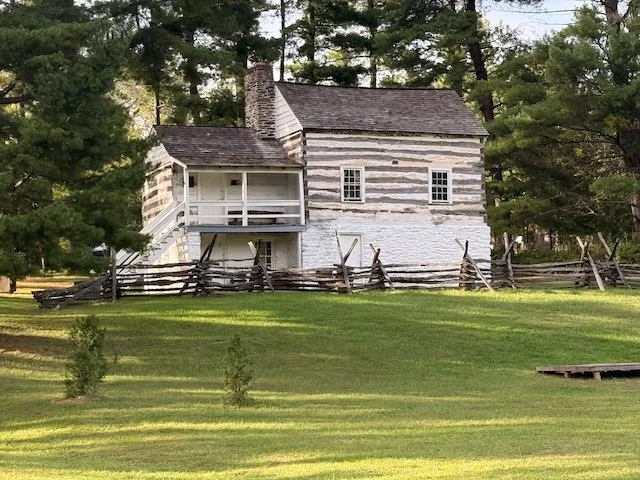
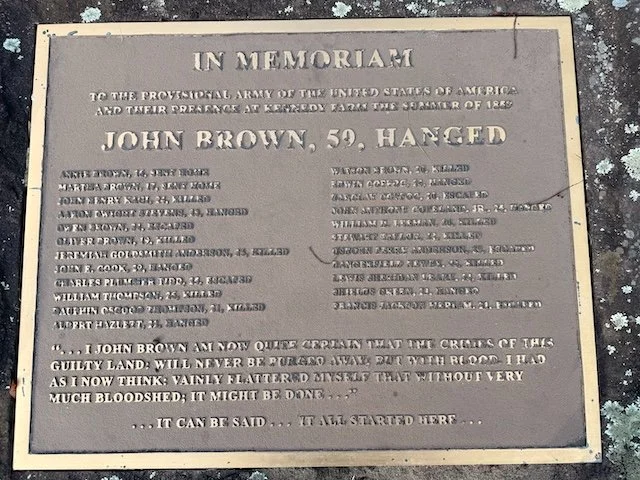
Afterwards I drove to the Kennedy Farm in Washington County, near Sharpsburg, Maryland, where John Brown and the Raiders prepared for the raid for about three months, joined for part of that time by his daughter Annie and daughter-in-law Martha. The raid began on October 16th and ended on the 18th. It was definitely a contemplative trip. I reflected on the journey the Raiders would have taken by foot from the farm to Lower Town, Harpers Ferry, and then, once captured, as they were transported from Harpers Ferry to the jail. What were the thoughts they might have had during the preparations, marching to Lower Town, during the siege, after capture, and while waiting for trial and execution? The overall visit was deeply meaningful to me.

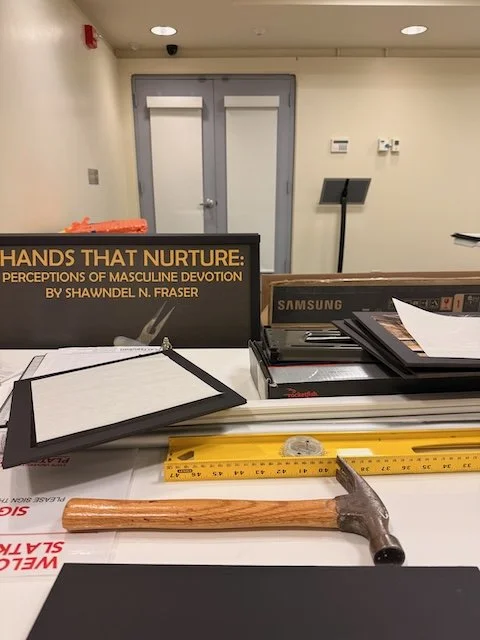
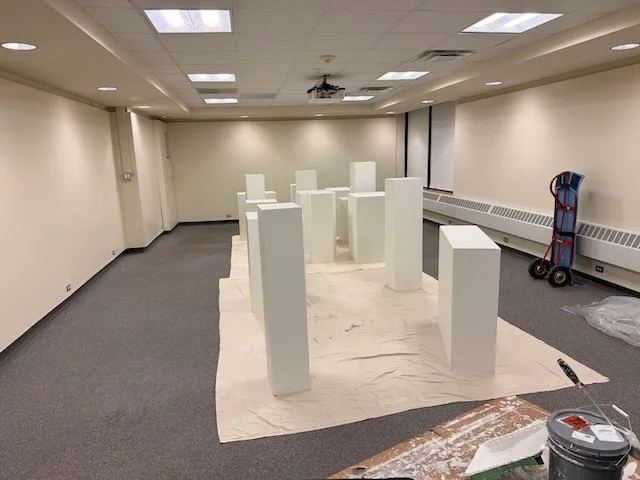
As for the show, I am really excited for this version of the installation now at SUNY Plattsburgh, which differs from the Malone show in some key ways. When it was installed at the Downtown Artist Cellar in Malone, I spent a considerable amount of time reviewing the installation. I took notes that allowed me to critique the flow of the exhibits and completely rewrite and expand upon the participants’ and Raiders’ narratives. This SUNY presentation has a better flow of participant exhibits, the discussion and presentation of the Raiders is much more robust, and the participant narratives are better articulated. Overall, the information is more coherent, and states the original research questions clearly:
What traits were at the root of John Brown and the Raiders’ (activism and) selfless devotion to morality and social change?
And, can devotion be found in tradesmen today?
To accomplish all of this, I created an audio tour with 20 stops featuring full stories about my work with each participant, as well as several entries about key topics that I have been asked about at each public talk: Why focus on tradesmen? Why focus on masculine devotion and not feminine devotion or tradeswomen? And what about John Brown and violence? This will allow me to enter into deeper conversations about the work instead of repeating the same philosophical framing of the research and exhibition. Also, I found that artist tours and artist talks alone did not afford enough time or space to offer my thoughts in a way that people could digest at their individual pace.
I can’t say enough about how excited I am about the addition of the audio tour. It is housed on a great platform with tremendous customer support. They host many exhibitions and walking tours about fine art, social history and more, so I feel that I’m in good company. The audio tour is available on the web, so people can access it from anywhere if they are unable to visit the show. The only drawback is that you won’t be able to see the artworks on the audio tour since I did not include photos there. I will likely add some photos after the show closes. For now, you can see some of the project images , and in the portfolio, but you won’t necessarily know which sculpture or photo connects to which person, you won’t see the sculptures in the context of the photos, and the images on the website are not necessarily in the exhibition.
This show, like the Malone show, gives information about how to contact some of these tradespeople to contract them for services. They are business folks who do skilled labor in order to make a living, and I love being able to connect people with tradesmen who provide quality services that are foundational to the functioning of homes, towns and cities. It’s another layer of conveying their humanity and importance to our daily lives and treasured moments. They are not entertainment, and they are more than the subject of an artist’s show or a researcher’s inquiry.
These men are tradesmen, with hands that nurture.